
How Do High Conductivity Tin Bronze Components Improve Industrial Performance?
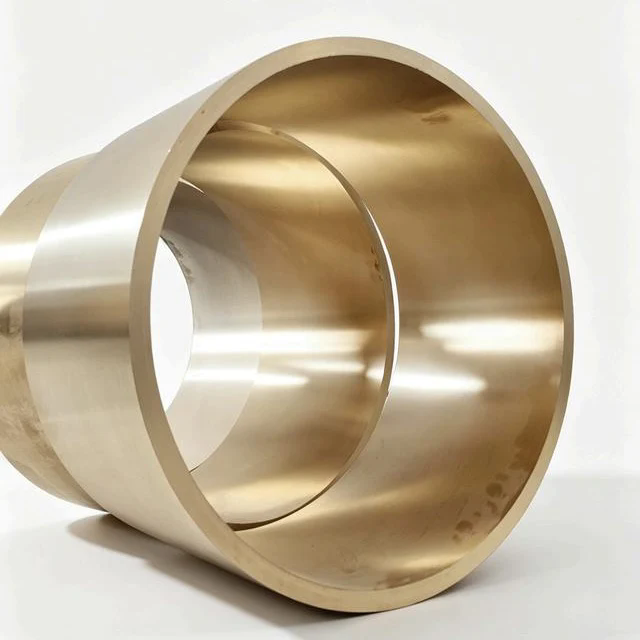
High conductivity tin bronze components play an essential role in industries where electrical performance, mechanical strength, and long-term reliability must work together. These components are widely used in electrical systems, precision machinery, automotive applications, power equipment, and industrial manufacturing because they provide an excellent balance between conductivity, wear resistance, corrosion protection, and structural stability.
Unlike ordinary copper materials, tin bronze combines the advantages of copper conductivity with enhanced mechanical properties provided by tin alloying elements. This makes it suitable for demanding environments where components must carry current efficiently while maintaining dimensional accuracy and resisting mechanical stress.
Fengquan specializes in manufacturing high-quality metal components and provides customized solutions for customers requiring reliable high conductivity tin bronze components. Through advanced production processes and strict quality control, Fengquan helps industries achieve better equipment performance and longer service life.

What Makes High Conductivity Tin Bronze Components Different?
The performance of high conductivity tin bronze components comes from their unique alloy structure. Tin bronze is created by adding tin to copper, improving the hardness and strength of the material while maintaining good electrical characteristics.
For industrial users, choosing the correct bronze component material is critical because unsuitable materials may lead to overheating, accelerated wear, poor conductivity, or frequent maintenance requirements.
| Property | Benefits for Industrial Applications |
|---|---|
| High Electrical Conductivity | Allows efficient current transmission and reduces energy loss during operation. |
| Excellent Wear Resistance | Supports long-term operation in mechanical contact environments. |
| Corrosion Resistance | Maintains stable performance under moisture and chemical exposure. |
| Mechanical Strength | Provides reliable structural support for precision components. |
| Thermal Stability | Helps components maintain performance during temperature changes. |
These characteristics make high conductivity tin bronze components valuable for applications where both electrical and mechanical requirements are important.
How Are High Conductivity Tin Bronze Components Manufactured?
Producing reliable tin bronze components requires precise material selection, advanced machining technology, and careful inspection procedures. Every manufacturing stage influences the final performance of the component.
Key Manufacturing Steps
- Material Selection: Manufacturers select suitable tin bronze alloys according to conductivity requirements, mechanical strength targets, and application conditions.
- Casting and Forming: The bronze material is shaped through controlled casting or forming methods to achieve the required structure and density.
- Precision Machining: CNC machining and advanced processing technologies create accurate dimensions and smooth surface finishes.
- Surface Treatment: Additional treatments may improve corrosion resistance, conductivity stability, or wear performance.
- Quality Inspection: Components are tested for size accuracy, material properties, and performance reliability before delivery.
Fengquan applies professional manufacturing methods to produce customized high conductivity tin bronze components that meet different industrial requirements. By focusing on precision and consistency, Fengquan supports customers who need dependable metal solutions for complex applications.
Where Are High Conductivity Tin Bronze Components Used?
High conductivity tin bronze components are found in many industries because they can handle electrical loads while maintaining excellent mechanical performance. Their versatility makes them an important material choice for manufacturers worldwide.
| Industry | Typical Applications | Main Advantages |
|---|---|---|
| Electrical Equipment | Connectors, conductive parts, terminals, switchgear components | Reliable current transmission and reduced energy loss |
| Power Systems | Electrical contacts and precision conductive components | Stable operation under high electrical requirements |
| Automotive Industry | Sensors, electrical assemblies, mechanical connection parts | Strong durability and vibration resistance |
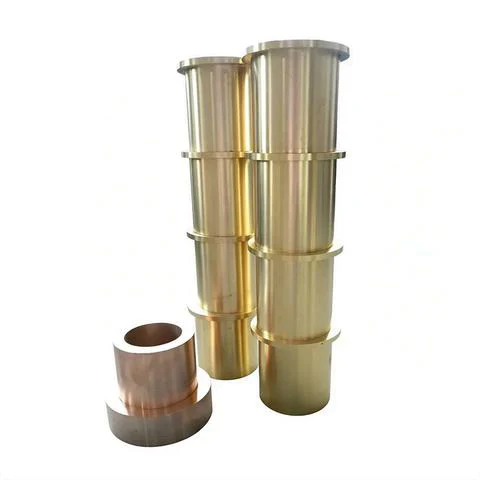
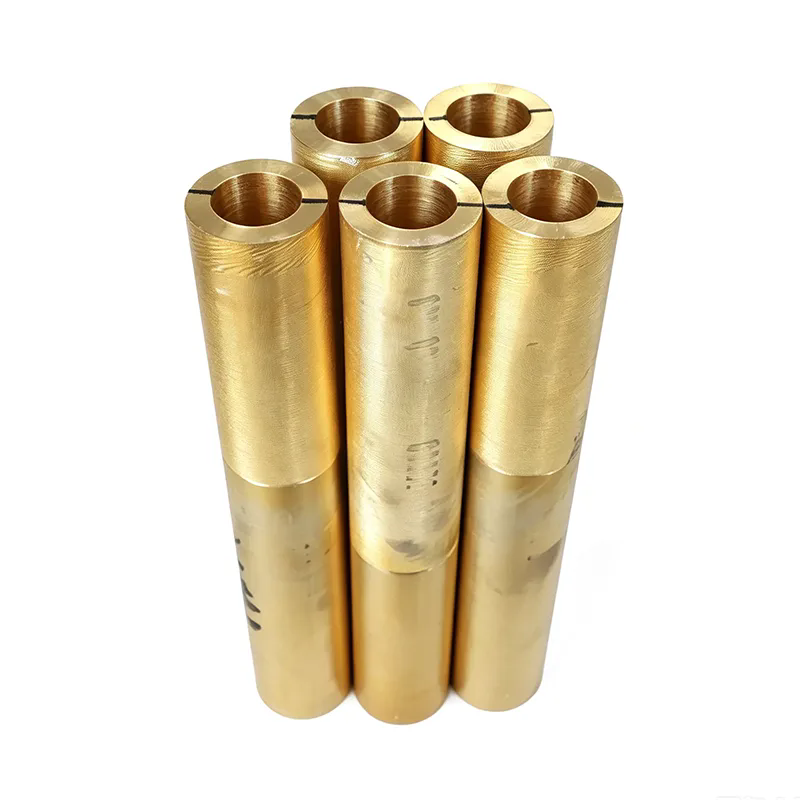
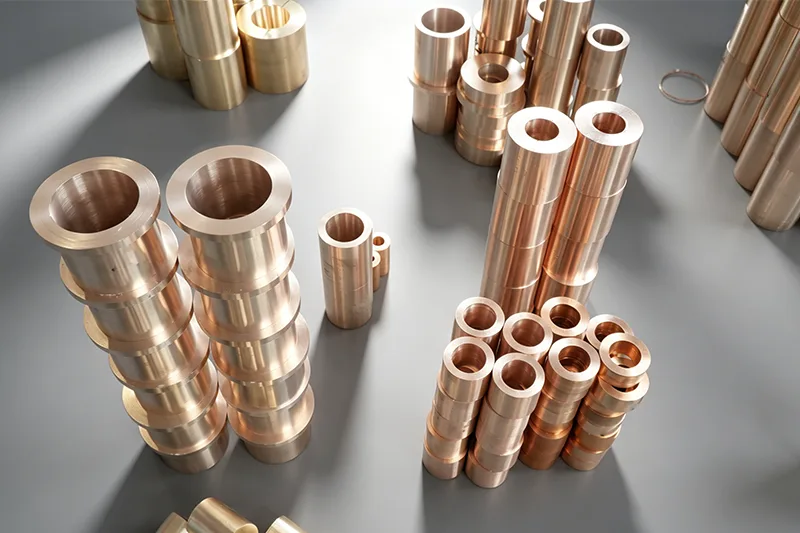
| Industrial Machinery | Bearings, bushings, wear-resistant components | Excellent mechanical strength and service life |
| Precision Manufacturing | Custom metal parts and specialized components | High dimensional accuracy and reliability |
Selecting the right bronze material allows manufacturers to improve equipment reliability and reduce unexpected downtime.
How Do High Conductivity Tin Bronze Components Solve Common Customer Challenges?
Many industrial customers face challenges such as component failure, poor electrical efficiency, excessive maintenance costs, and inconsistent product quality. High conductivity tin bronze components provide practical solutions to these problems.
Major Problems and Solutions
-
Problem: Excessive Electrical Resistance
Solution: High conductivity bronze materials help improve current flow efficiency and minimize electrical losses. -
Problem: Frequent Component Replacement
Solution: Strong wear resistance allows components to operate longer under repeated mechanical stress. -
Problem: Corrosion Damage
Solution: Tin bronze provides better resistance against environmental factors compared with many traditional metals. -
Problem: Difficult Customization Requirements
Solution: Professional manufacturers like Fengquan provide customized production based on drawings, specifications, and application needs. -
Problem: Unstable Product Quality
Solution: Strict manufacturing control ensures consistent dimensions and reliable performance.
How Should You Select High Conductivity Tin Bronze Components?
Choosing the right high conductivity tin bronze components requires more than simply selecting a copper-based alloy. The component must be matched to the electrical, mechanical, thermal, environmental, and dimensional requirements of the application. A material that performs well in one operating condition may not provide the same results in another.
Before placing an order, manufacturers and engineering teams should evaluate several key factors. A clear understanding of these requirements can prevent premature component failure and reduce unnecessary production costs.
- Electrical Requirements: Determine the required conductivity and current-carrying capability of the component.
- Mechanical Load: Consider tensile strength, hardness, friction, vibration, and repeated mechanical stress.
- Operating Temperature: Check whether the component will be exposed to continuous or fluctuating temperatures.
- Environmental Conditions: Evaluate humidity, corrosion exposure, chemicals, dust, and other operating conditions.
- Dimensional Accuracy: Establish the required tolerances, geometry, surface finish, and assembly specifications.
- Service Life: Estimate the expected operating cycle and maintenance requirements.
- Production Volume: Select a manufacturing process that is appropriate for prototypes, small batches, or mass production.
Providing detailed drawings, material specifications, dimensions, tolerances, and application information can help a manufacturer develop a more appropriate component solution. Fengquan can work according to customer requirements to support customized high conductivity tin bronze component production.
How Can Conductivity and Mechanical Strength Be Balanced?
One of the most important considerations when selecting copper-based components is the balance between electrical conductivity and mechanical performance. Increasing alloying elements can improve certain mechanical properties, but excessive alloying may affect conductivity. Therefore, the optimal material should be selected according to the actual application rather than focusing on a single performance indicator.
For electrical components, conductivity may be the primary concern. However, the component may also experience contact pressure, vibration, friction, repeated loading, or temperature variation. In these situations, relying solely on a highly conductive material may not provide sufficient durability.
High conductivity tin bronze components offer a practical balance for applications that require both electrical functionality and mechanical reliability. The final alloy and manufacturing process should nevertheless be selected according to the specific operating conditions.
| Requirement | What to Evaluate | Why It Matters |
|---|---|---|
| Electrical Performance | Conductivity and electrical resistance | Influences current transmission efficiency and heat generation. |
| Mechanical Performance | Strength, hardness, and wear resistance | Determines how well the component withstands physical loads. |
| Thermal Performance | Temperature exposure and heat dissipation | Helps prevent performance degradation during operation. |
| Environmental Resistance | Moisture, oxidation, and chemical exposure | Supports longer service life in demanding environments. |
| Manufacturing Accuracy | Tolerance and surface finish | Ensures proper assembly and stable component performance. |
How Does Quality Control Affect Component Reliability?
Quality control is a critical part of manufacturing high conductivity tin bronze components. Even when the correct alloy is selected, variations in raw material quality, dimensions, machining accuracy, or surface condition can affect the final product.
A dependable manufacturing process should therefore include inspection at multiple stages rather than relying only on final-product testing. Material verification, dimensional inspection, visual examination, and application-specific testing can help identify potential problems before components reach the customer.
Important Inspection Points
- Raw Material Verification: Confirm that the selected bronze material meets the specified requirements.
- Dimensional Inspection: Check critical dimensions and tolerances against engineering drawings.
- Surface Inspection: Examine the component for cracks, defects, excessive roughness, or other visible problems.
- Electrical Testing: Where required, verify conductivity or electrical resistance.
- Mechanical Testing: Evaluate relevant strength, hardness, or wear characteristics according to application needs.
- Final Inspection: Confirm that finished components meet customer specifications before shipment.
Fengquan understands that industrial customers require more than a component that simply matches a drawing. Consistency, traceability, dimensional accuracy, and dependable material performance are important factors when components are integrated into larger equipment and systems.
How Can Fengquan Support Customized Tin Bronze Components?
Industrial equipment rarely uses completely standardized components. Different machines and electrical systems often require unique dimensions, connection structures, surface conditions, or performance specifications. For this reason, customized manufacturing can be more suitable than selecting an off-the-shelf component that only partially matches the application.
Fengquan provides high conductivity tin bronze components for customers with specific manufacturing requirements. Depending on the project, customers can provide technical drawings, samples, dimensional specifications, material requirements, or application information for evaluation.
A customized manufacturing process can address requirements such as:
- Special component dimensions and geometries
- Specified dimensional tolerances
- Different surface finishing requirements
- Customized hole, groove, slot, or connection designs
- Specific conductivity requirements
- Mechanical strength and wear-resistance requirements
- Prototype and batch production requirements
Working closely with an experienced manufacturer can also reduce the risk of selecting an unsuitable material or manufacturing method. Early technical communication allows important application conditions to be considered before production begins.
How Can You Extend the Service Life of Tin Bronze Components?
Even high-quality components require appropriate installation and operating conditions. Correct maintenance can help preserve electrical and mechanical performance and reduce the risk of premature failure.
- Keep contact surfaces clean and free from unnecessary contamination.
- Inspect components regularly when they operate under heavy loads or repeated cycles.
- Check for abnormal wear, deformation, overheating, or surface damage.
- Ensure that components are installed according to the specified dimensions and assembly requirements.
- Prevent exposure to environmental conditions beyond the material's intended operating range.
- Replace damaged components before they affect surrounding equipment.
For high-current or high-load applications, inspection intervals should be determined according to actual operating conditions rather than using a universal maintenance schedule.
How Do High Conductivity Tin Bronze Components Compare With Other Copper Alloys?
Different copper alloys are designed for different performance priorities. Pure copper may provide excellent electrical conductivity, while other copper alloys may emphasize hardness, strength, machinability, or corrosion resistance. Tin bronze can be advantageous when a combination of conductivity, strength, wear resistance, and corrosion resistance is required.
| Material Type | Typical Strength | Conductivity | Wear Resistance | Common Consideration |
|---|---|---|---|---|
| Pure Copper | Moderate | Very High | Limited | Suitable when electrical conductivity is the primary requirement. |
| Tin Bronze | High | Good to High | High | Useful when electrical and mechanical performance must be balanced. |
| Brass | Moderate to High | Moderate | Good | Commonly selected for machinability and general mechanical applications. |
| Special Copper Alloys | Application Dependent | Application Dependent | Application Dependent | Selected when specialized performance requirements dominate. |
The best choice depends on the component's actual working environment. Material selection should be based on engineering requirements rather than assuming that one copper alloy is suitable for every application.
Frequently Asked Questions About High Conductivity Tin Bronze Components
What are high conductivity tin bronze components used for?
They are used in electrical and industrial applications that require a combination of electrical conductivity, mechanical strength, wear resistance, and corrosion resistance. Typical applications include electrical contacts, connectors, conductive parts, precision machinery components, bushings, and specialized industrial hardware.
Are tin bronze components suitable for electrical applications?
Yes. High conductivity tin bronze can be used for electrical applications where conductivity must be combined with mechanical durability. The appropriate alloy should be selected according to the required electrical and mechanical performance.
Why choose tin bronze instead of pure copper?
Pure copper offers excellent conductivity, but some applications also require greater strength, wear resistance, and structural stability. Tin bronze can provide a more balanced combination of these properties for demanding applications.
Can Fengquan manufacture customized tin bronze components?
Yes. Fengquan can support customized high conductivity tin bronze components according to customer drawings, specifications, dimensions, and application requirements. Custom manufacturing is particularly useful when standard components cannot meet specific equipment requirements.
What information should customers provide when requesting a quotation?
Customers should ideally provide technical drawings or samples, required dimensions, material specifications, tolerances, expected order quantity, surface requirements, operating conditions, and intended application. The more complete the technical information, the easier it is to evaluate the appropriate manufacturing solution.
How can I determine the right tin bronze component for my application?
Start by identifying the required conductivity, mechanical load, operating temperature, environmental exposure, dimensional tolerances, and expected service life. These factors can then be used to determine the appropriate material and manufacturing approach.
Conclusion: How Do High Conductivity Tin Bronze Components Create Better Industrial Solutions?
High conductivity tin bronze components provide an effective solution for industrial applications where electrical efficiency cannot be considered separately from mechanical reliability. Their combination of conductivity, strength, wear resistance, corrosion resistance, and dimensional stability makes them suitable for a wide range of electrical and mechanical applications.
The most reliable results come from selecting the appropriate material, manufacturing process, dimensions, and inspection standards according to the actual operating environment. Careful engineering evaluation can reduce component failures, improve equipment reliability, and help control long-term maintenance costs.
With professional manufacturing capabilities and customized production support, Fengquan can help customers develop high conductivity tin bronze components suited to specific technical requirements. Whether the project involves a specialized electrical component, precision mechanical part, or customized industrial solution, selecting the right manufacturing partner is an important step toward consistent performance.
Looking for Reliable High Conductivity Tin Bronze Components?
If your application requires dependable conductivity, mechanical strength, wear resistance, and customized dimensions, Fengquan can provide professional support for your project. Share your drawings, specifications, samples, or application requirements with our team to discuss a suitable manufacturing solution.
Need customized high conductivity tin bronze components for your next project? Contact us today to discuss your requirements with Fengquan and find a reliable solution for your application.
Related News
- How Do Food Grade Lead Free Tin Bronze Bushings Improve Safety and Performance in Modern Machinery?
- How Do Bronze Bushings And Bearings Improve Industrial Equipment Performance?
- How Do Copper Plates And Block Improve Industrial Performance and Manufacturing Efficiency?
- How Do Hot-Dip Zinc Alloy Ingots Improve Metal Protection and Industrial Performance?
- How High-Velocity RG10 Tin Bronze Blocks Prevent Bearing Seizure?
- Why RG12 Tin Bronze Plates and Blocks Prevent High-Load Equipment Wear?
Leave me a message