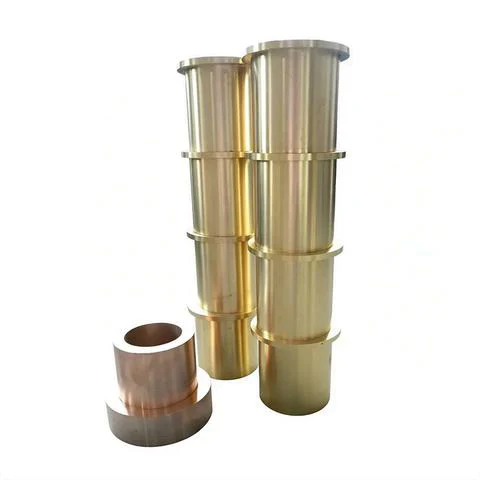
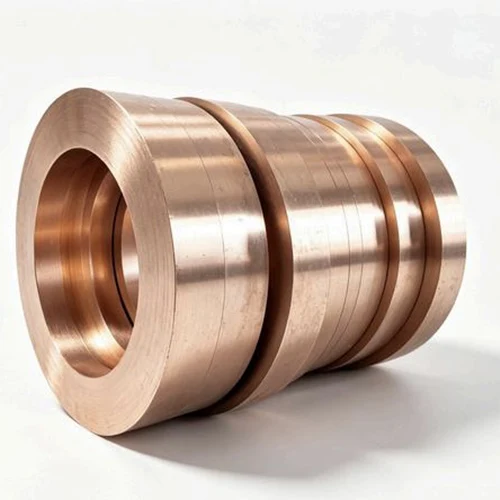
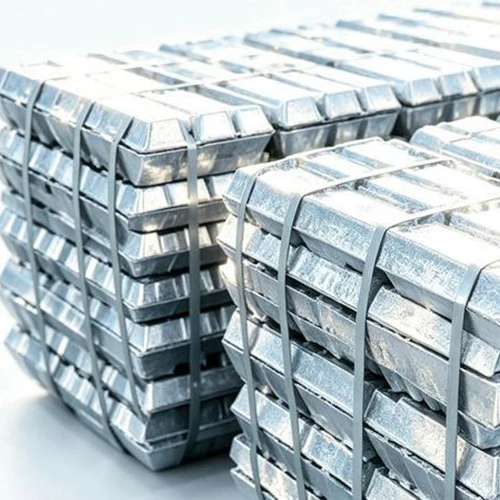
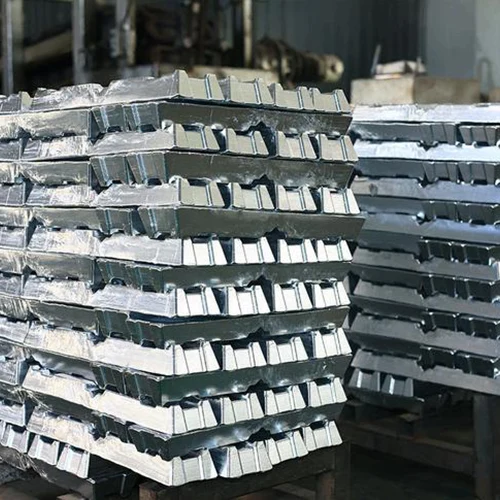
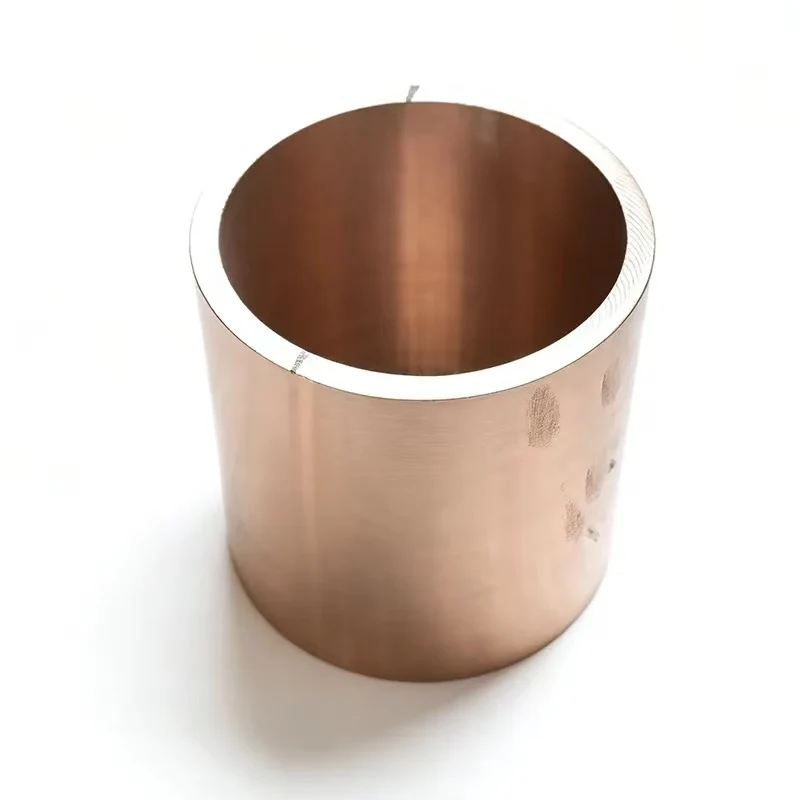
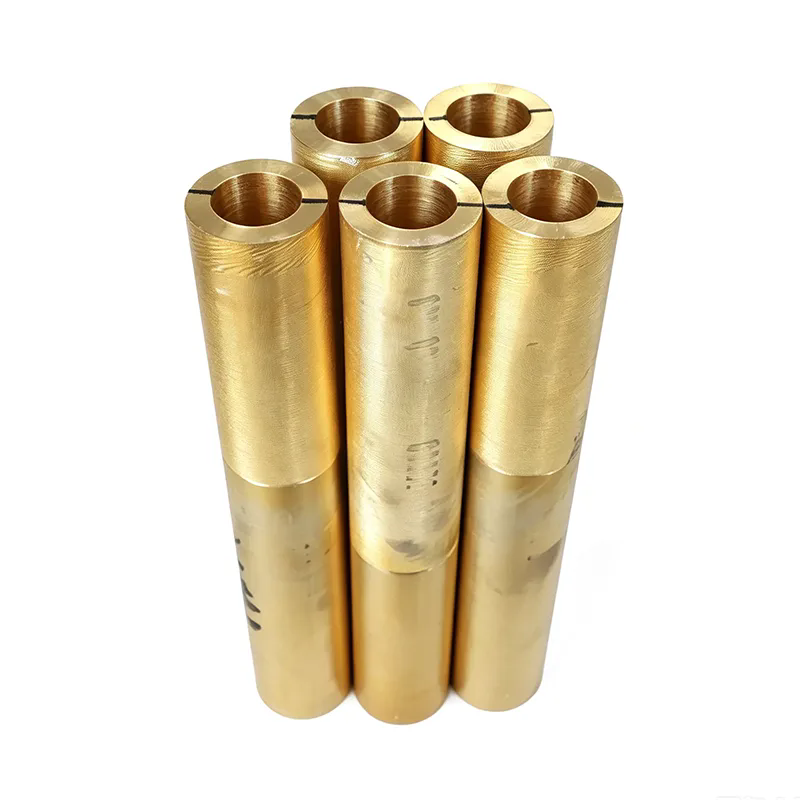
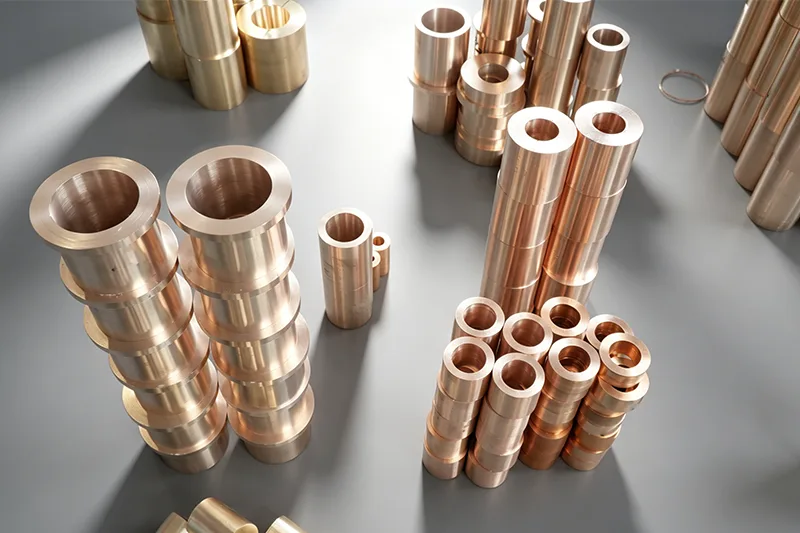
Large-scale tin bronze casting parts refer to components manufactured through the sand-casting process using tin bronze (an alloy primarily composed of copper with tin as the main additive element) that are characterized by significant size, weight, or complexity. These parts leverage the properties of tin bronze, such as high strength, corrosion resistance, and wear resistance, making them suitable for applications requiring durability and structural integrity in sectors like architecture, public art, infrastructure, and industrial manufacturing.
Classification
While specific classification details for large-scale tin bronze casting parts are not explicitly detailed in the provided search results, based on general metallurgical and manufacturing principles, combined with context from the search results.
1. By Application Sector
Architectural and Artistic: These include large decorative elements, monumental sculptures, and cultural installations. Regions like Quyang County in Hebei Province, China, specialize in such parts, combining traditional craftsmanship with modern techniques to produce high-detail architectural components .
Industrial and Infrastructure: Used in heavy machinery, structural supports, or specialized equipment where mechanical properties (e.g., tensile strength, ductility) are critical. Chinese foundries, particularly those in Guangdong (focused on technology-driven production), handle massive pours (up to 500kg+) and multi-ton monuments, indicating industrial-scale applications .
2. By Manufacturing Process Characteristics
Sand-Cast Bronze: As highlighted, sand casting is the primary method for large-scale parts due to its ability to produce complex shapes and accommodate large sizes. Chinese manufacturers excel in this technique, with facilities ranging from 1,100m² to over 18,000m², supporting large-scale production .
Alloy Composition Variations: While “tin bronze” generally refers to copper-tin alloys, variations in tin content (typically 5-20%) and additions of other elements (e.g., lead, zinc) might sub-categorize parts based on specific performance requirements (e.g., leaded-tin bronze for improved machinability, though this example is from a standard reference material context).
3. By Size and Weight
Massive Pours: Parts requiring single pours exceeding 500kg, as noted in the capabilities of Chinese foundries .
Multi-Ton Monuments/Structures: Large-scale artistic or architectural pieces weighing multiple tons, emphasizing structural stability and aesthetic detail .
We use cookies to offer you a better browsing experience, analyze site traffic and personalize content. By using this site, you agree to our use of cookies.Privacy Policy