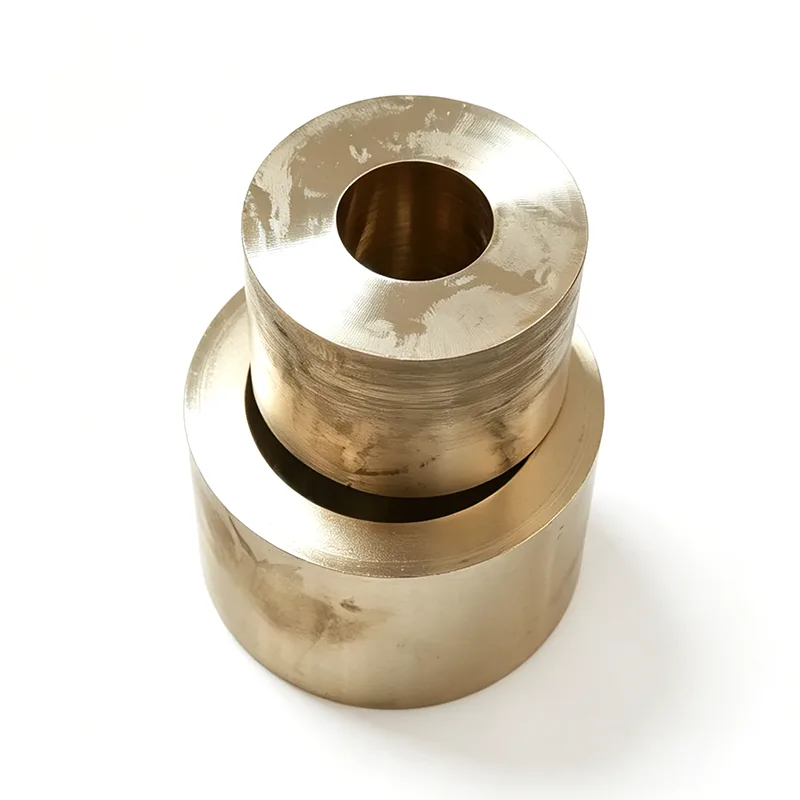
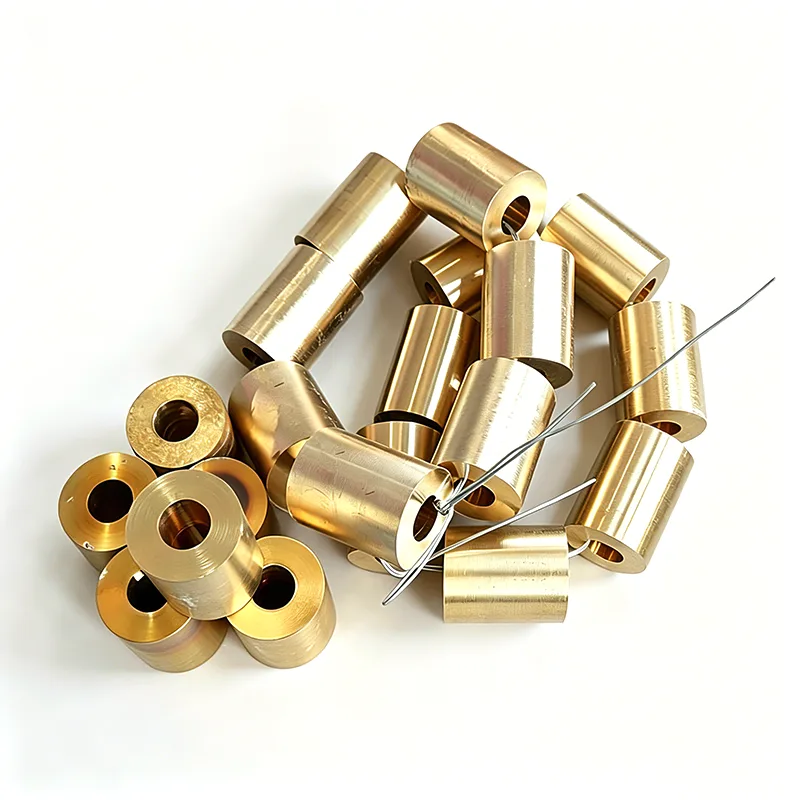
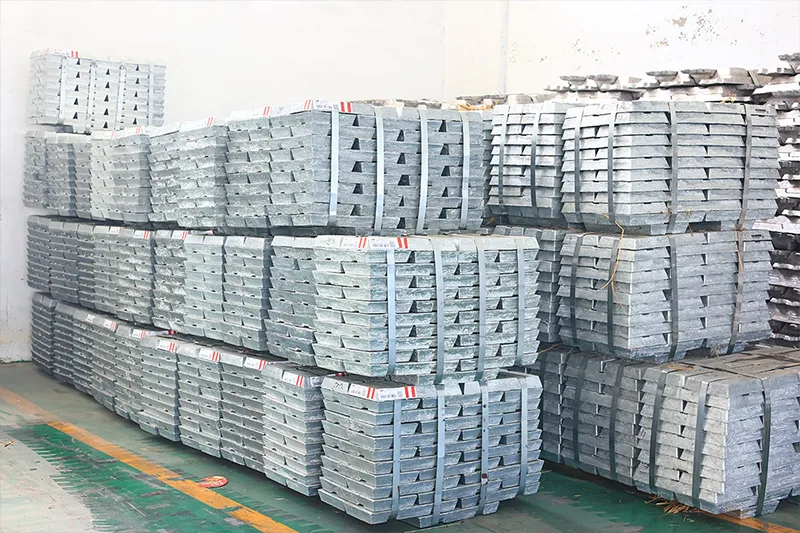
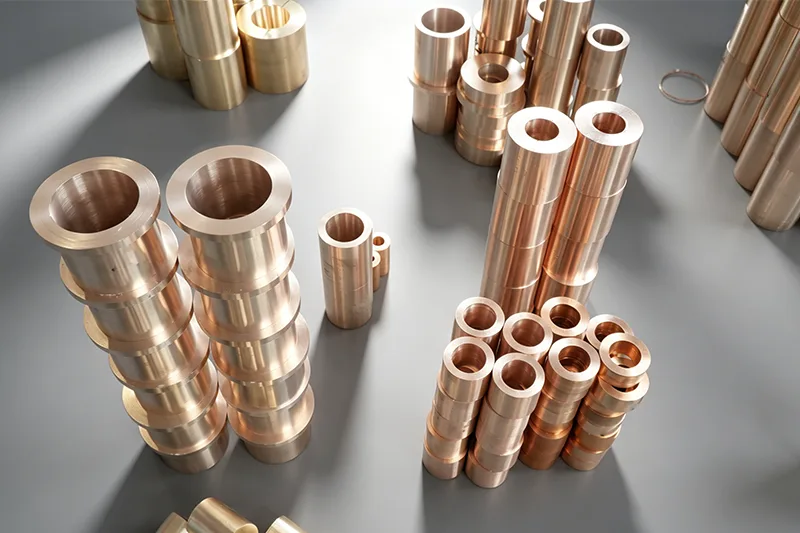
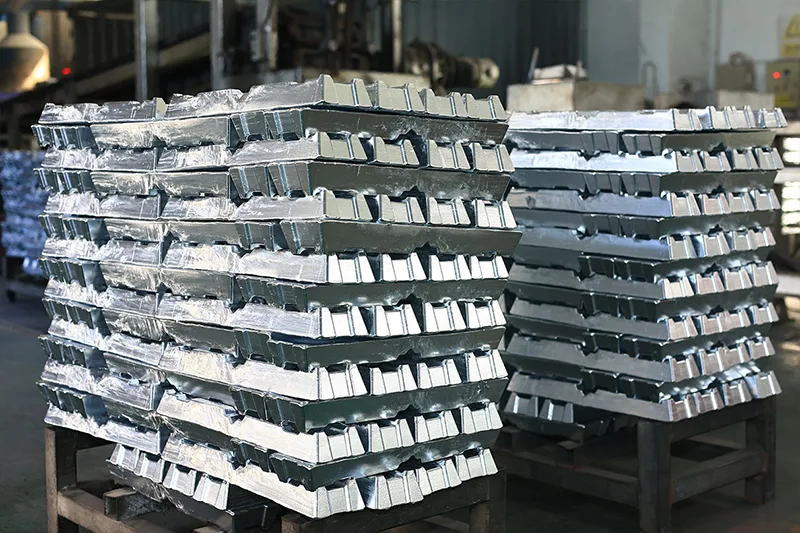
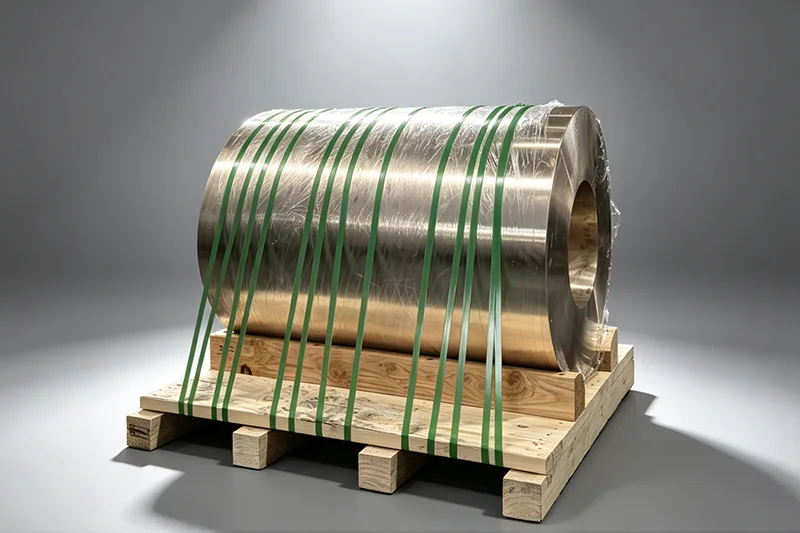
Zinc-aluminum alloy ingots are alloys mainly composed of zinc and aluminum, and sometimes may contain other elements such as manganese, copper, nickel, etc. For example, a specific aluminum-zinc alloy consists of 50 to 75% aluminum, 0.3 to 1.5% manganese, and possibly copper, nickel, silicon, lithium and chromium, with the remainder being zinc.
Function
Zinc-aluminum alloy ingots have extensive applications in various fields, including but not limited to:
Die casting and casting: Used for manufacturing various parts and products, such as machined parts, RF connectors, electrical components, lighting accessories, locks, capacitors, bathroom and plumbing accessories, small hardware components, etc.
Lead-free solder alloy: Used as a lead-free solder alloy.
Feature
Excellent machining performance: The cold working performance is similar to that of lead brass, and the mechanical properties are close to or even exceed those of lead brass.
Good surface treatment effect: It is suitable for various electroplating processes. The finished products have no pockmarks or bubbles, and the surface finish is similar to that of copper parts after electroplating. The neutral salt spray test shows no obvious corrosion phenomenon after 48 hours, and the electroplating yield can reach over 98%.
Good conductivity: The conductivity is similar to H62, exceeding that of ordinary H59 and other lead brasses. It has broad application prospects in the electronics, electrical engineering, and electrical industries.
High cost-effectiveness: The material price is only about 60% of HPb59-1, and the material density is only about 70% of HPb59-1.
Environmentally friendly: It complies with RoSH environmental standards. Each batch of orders can provide SGS test reports and ICP analysis reports for that batch according to customer requirements.
We use cookies to offer you a better browsing experience, analyze site traffic and personalize content. By using this site, you agree to our use of cookies.
Privacy Policy